5 Essential Woodworking Tools Every Beginner Needs
Getting into woodworking is exciting, especially when you start bringing your ideas to life with the right tools. But with so many power tools available, it’s tough to know where to start. The good news? You don’t need a fully equipped workshop to begin. These five essential power tools will help you handle most beginner projects—from furniture to small crafts—with precision and confidence.
1. Circular Saw
The circular saw is often a woodworker’s first big purchase—and for good reason. It’s versatile, portable, and powerful enough to handle most straight cuts through plywood, hardwood, and more.
Why it’s essential:
Great for rip cuts and crosscuts
Less expensive and bulky than a table saw
Can be used with a straightedge guide for clean results
2. Cordless Drill/Driver
You’ll use a cordless drill/driver in almost every woodworking project. From drilling pilot holes to driving screws, it’s an everyday essential.
What to look for:
18V or 20V lithium-ion battery
Keyless chuck for fast bit changes
Variable speed and clutch settings
Benefit: Most drills are part of a battery platform, which means the same battery can power other tools in the same brand line—saving money and reducing clutter.
3. Jigsaw
When your project needs curves or interior cutouts, a jigsaw shines. It’s lightweight and beginner-friendly, making it perfect for detailed work.
Best uses:
Cutting curves and shapes
Working on thin wood or panels
Making openings in boards or furniture
Tip: Get a jigsaw with orbital settings for smoother cuts in different materials.
4. Random Orbital Sander
No one loves sanding by hand. A random orbital sander makes smoothing surfaces quicker, easier, and more consistent.
Why it’s great:
Reduces effort and hand fatigue
Leaves fewer swirl marks than other sanders
Ideal for prepping surfaces and final finishing
Sandpaper tip: Use hook-and-loop sanding discs and keep a range of grits on hand (80 to 220).
5. Miter Saw
Once you’re ready to take on projects like furniture, frames, or trim work, a miter saw gives you clean, accurate cuts at various angles.
Look for:
A sliding compound model for wider boards
Easy-to-read angle markings
A sturdy base and safety features
Bonus: It’s a perfect second saw to pair with a circular saw once your projects become more precise.
🔧 Consider Tool Combo Kits
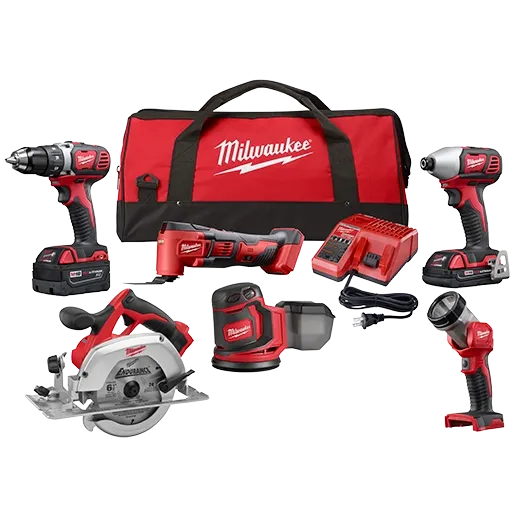
If you’re just starting out, tool combo kits can offer great value. Many brands sell beginner bundles that include a cordless drill, circular saw, jigsaw, flashlight, and even a sander—all powered by the same interchangeable battery platform.
Benefits of battery platforms:
One battery fits many tools
Less clutter, fewer chargers
Easier upgrades as you grow your collection
Sticking with one brand (like DeWalt, Makita, Milwaukee, or Ryobi) makes it easier to expand later without needing new chargers or batteries for every tool.